BITRUST: Design System for a Cryptocurrency Exchange
The BITRUST design system shifts the paradigm of trading interface design by transforming visual separation into an informative and engaging experience. By unifying modular, reusable components under a centralized system, it bridges the gap between complex blockchain mechanics and intuitive human interaction. This systematic approach ensures maximum consistency and scalability across different interfaces, maintaining clarity and cohesion as the platform evolves.
Design System for a Cryptocurrency Exchange
( System Architecture and Components )
-
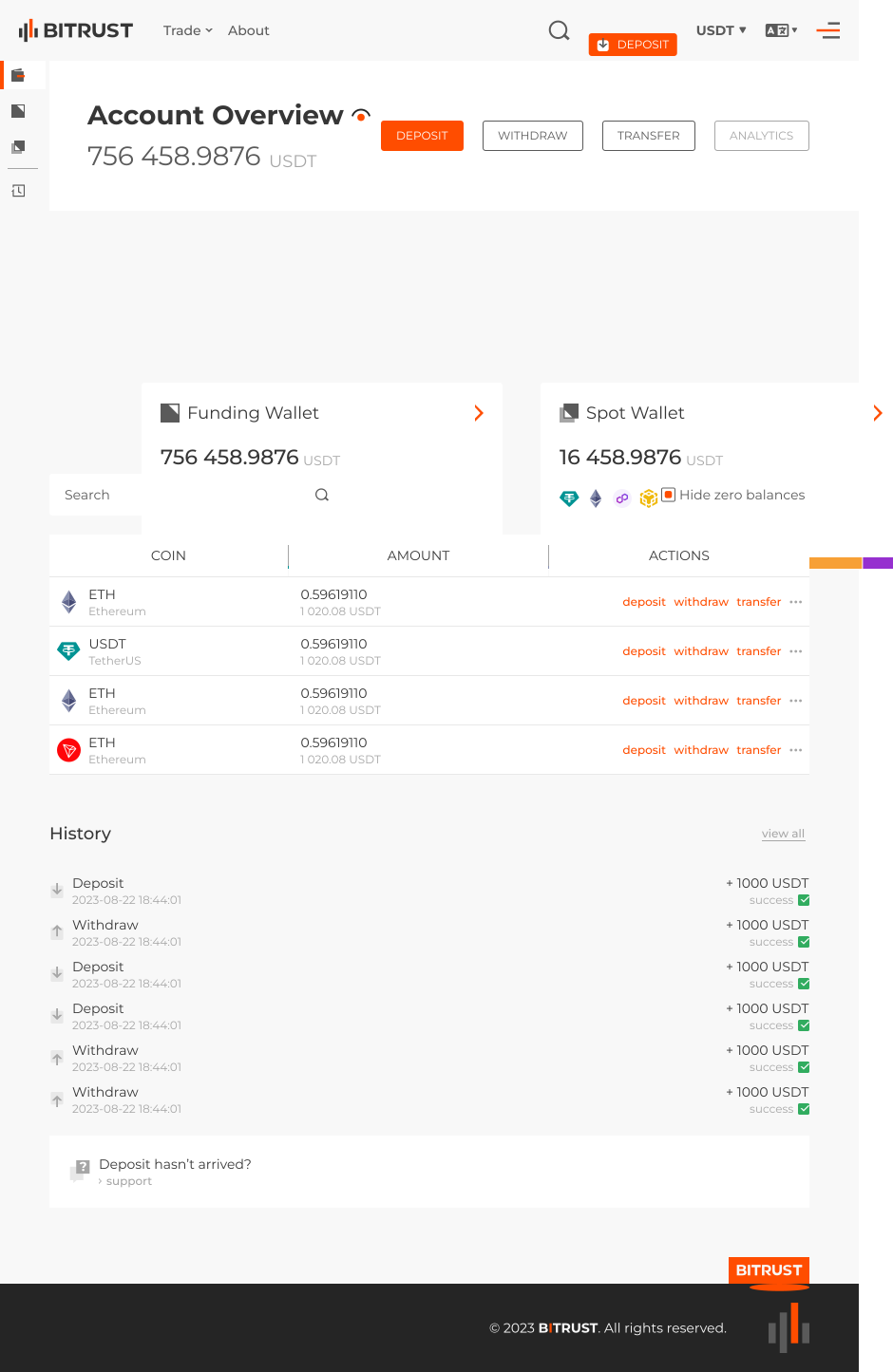
1.Adaptive Breakpoint System: A standardized 12-column grid layout with strictly defined margins and gutters ensures seamless interface responsiveness across devices, from mobile web to multi-monitor desktop terminals.
-
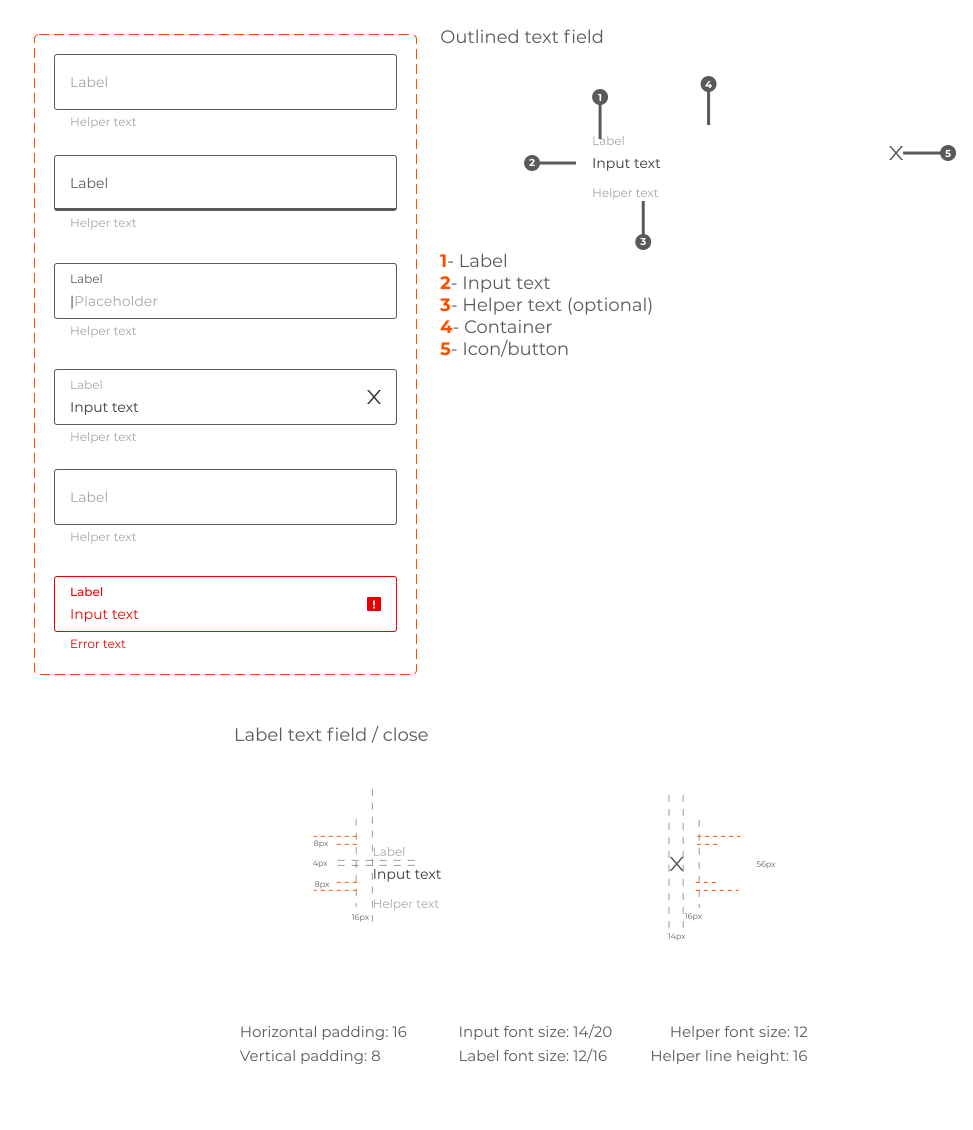
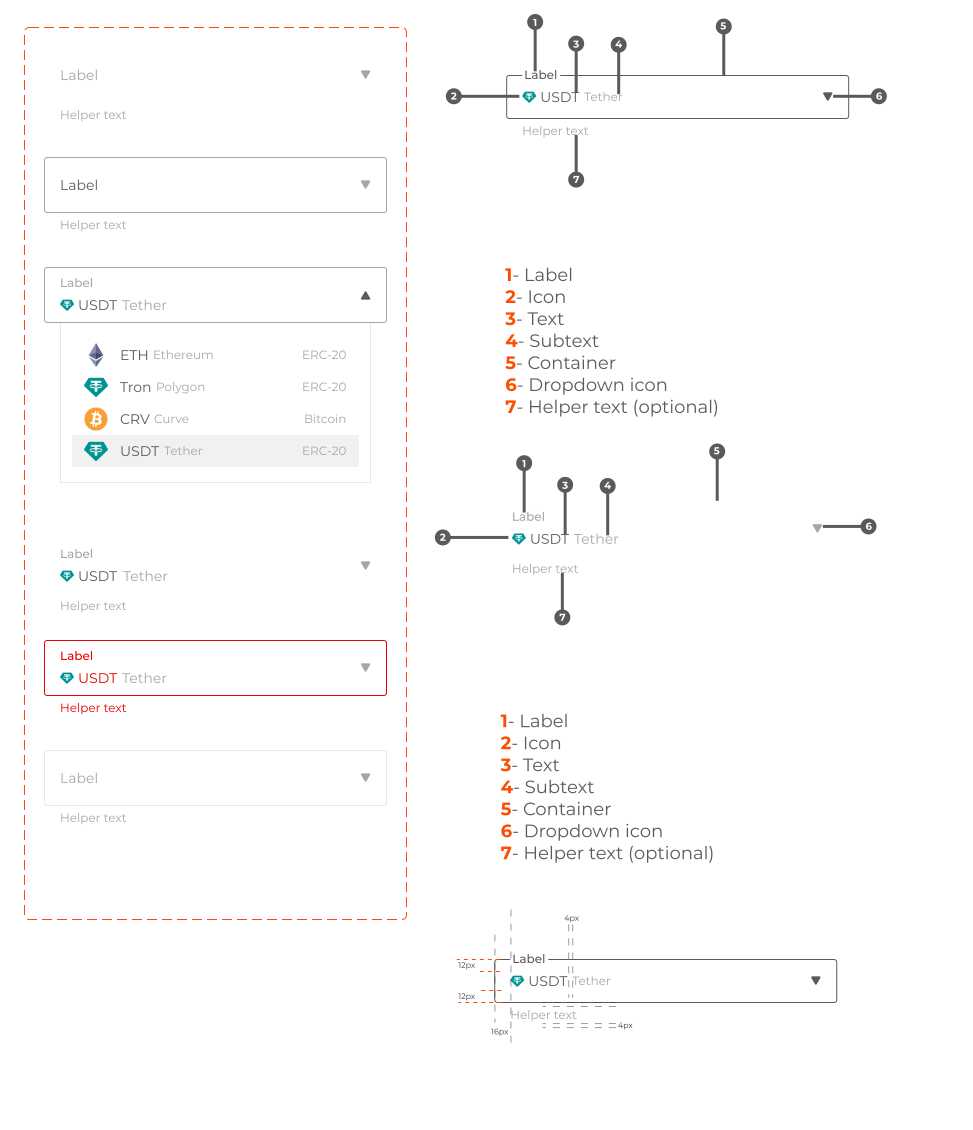
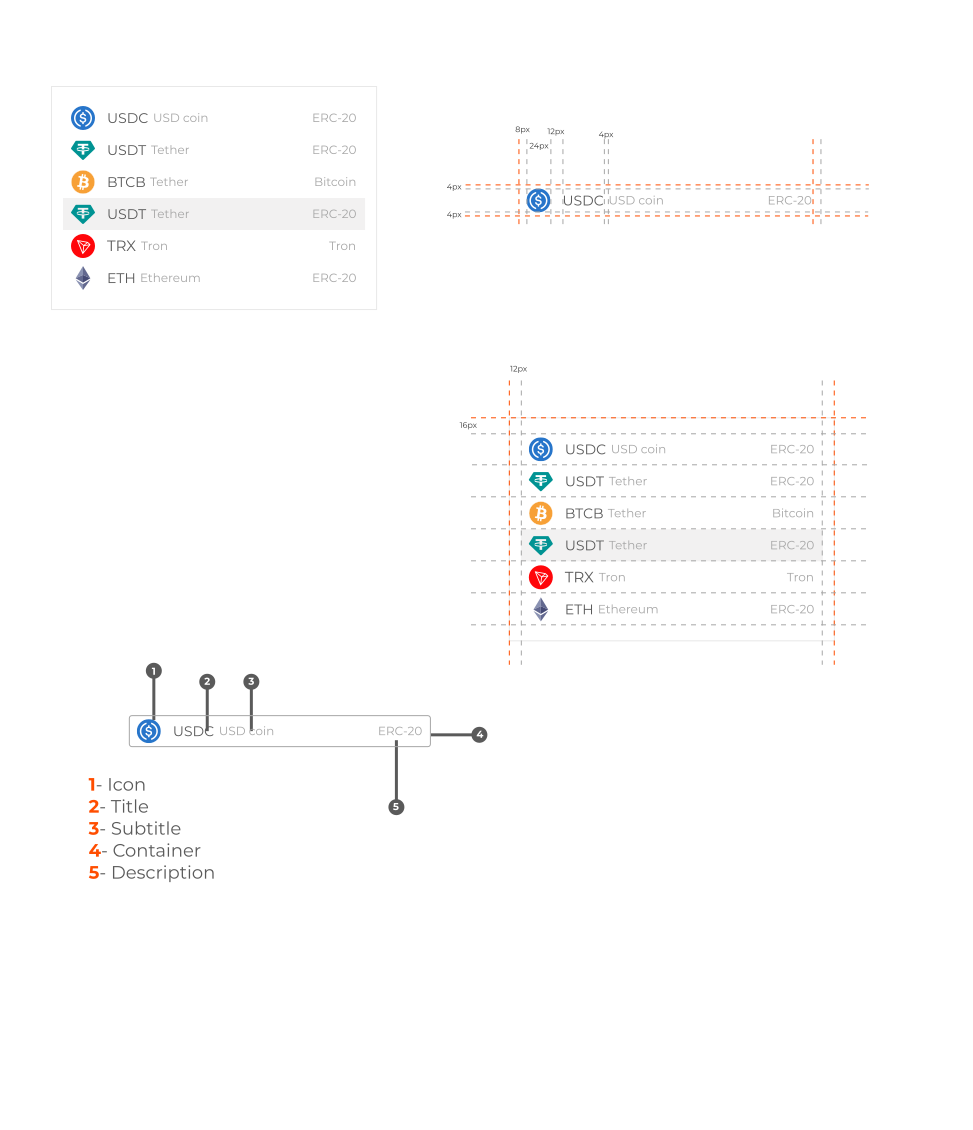
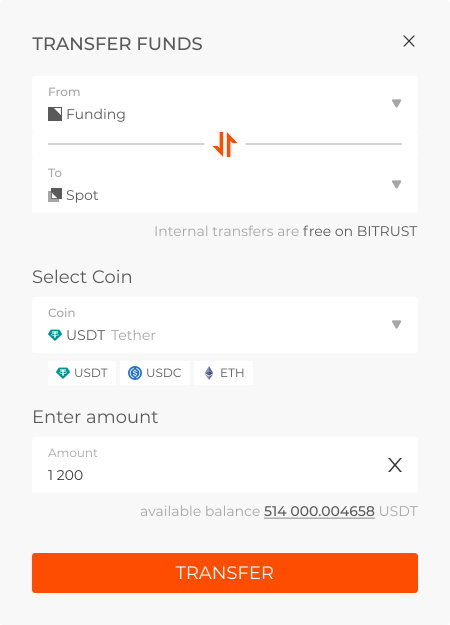
2.Intelligent Forms and Real-Time Validation: Field grouping and dedicated network/token selectors reduce visual clutter, while instant inline validation and contextual tooltips seamlessly guide the user through data submission.
-
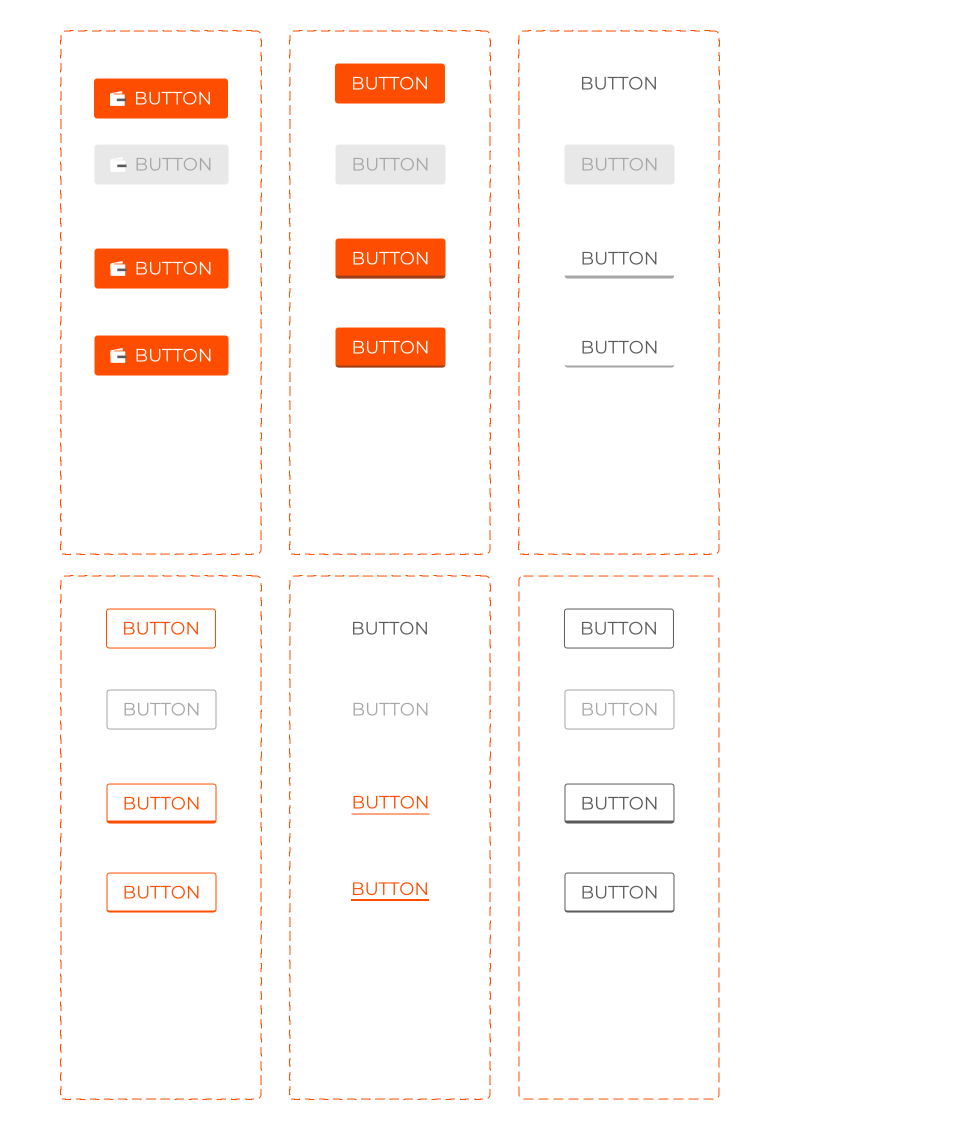
3.Component Anatomy and States: Comprehensive documentation maps every functional state (Inactive, Hover, Focused, Filled, Error, Disabled) for vital interactive elements, including accordions, data tables, dropdowns, and notification badges.
Component assembly and final UI layouts. This section demonstrates the orchestration of atomic components into production-ready fintech layouts. By combining design tokens, secure inputs, and real-time validation into high-fidelity modules, the system delivers a precise engineering blueprint that ensures absolute operational fidelity across all platforms.
-
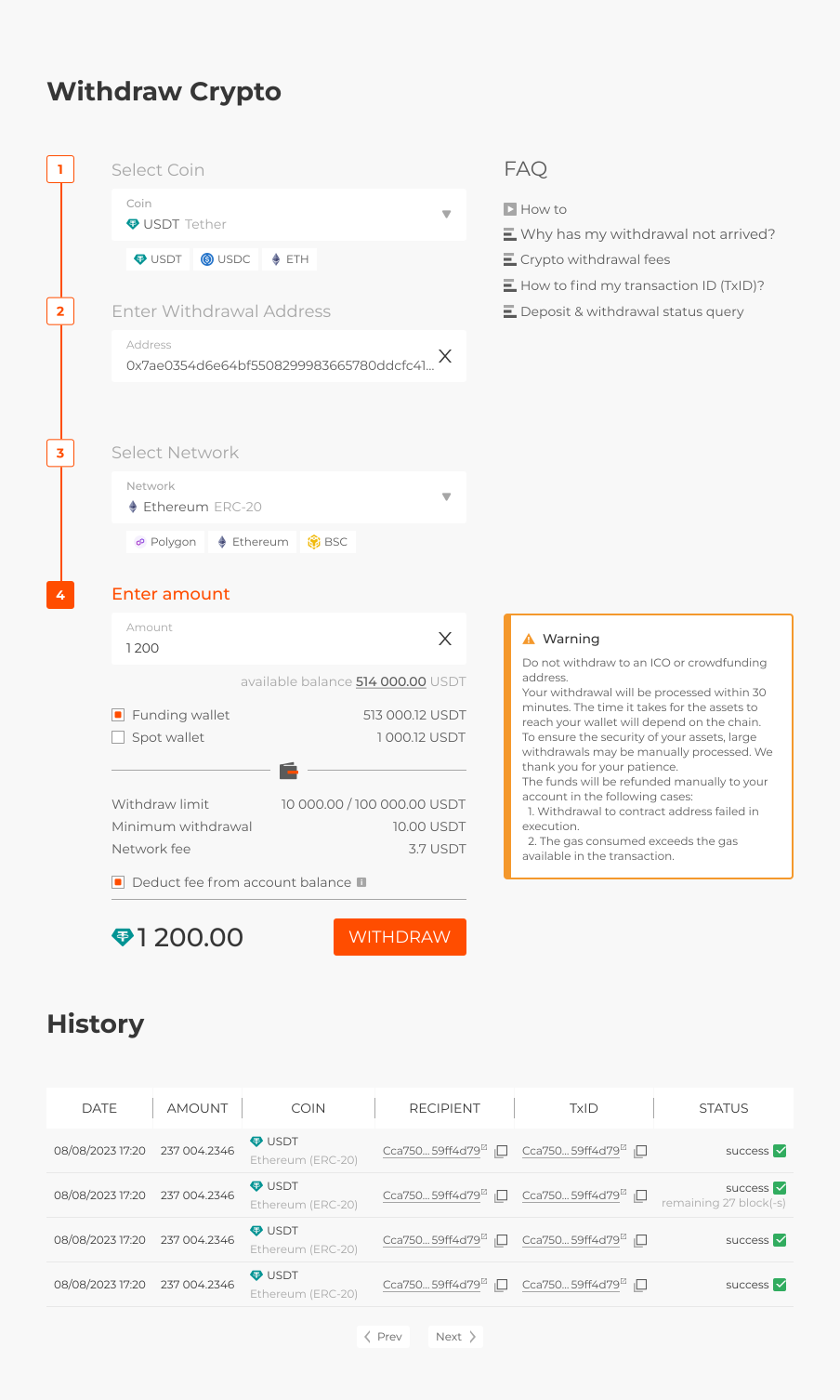
1High-fidelity template orchestration: Complete assembly of primitive components into responsive, high-load layout systems, including live trading feeds, interactive order books, and multi-network asset deposit screens mapped precisely to a 12-column grid.
-
2Unified component state mapping: Comprehensive documentation of composite modules displaying synchronized operational states like inline validation errors, focused input fields, and disabled states to ensure predictable interface behavior.
-
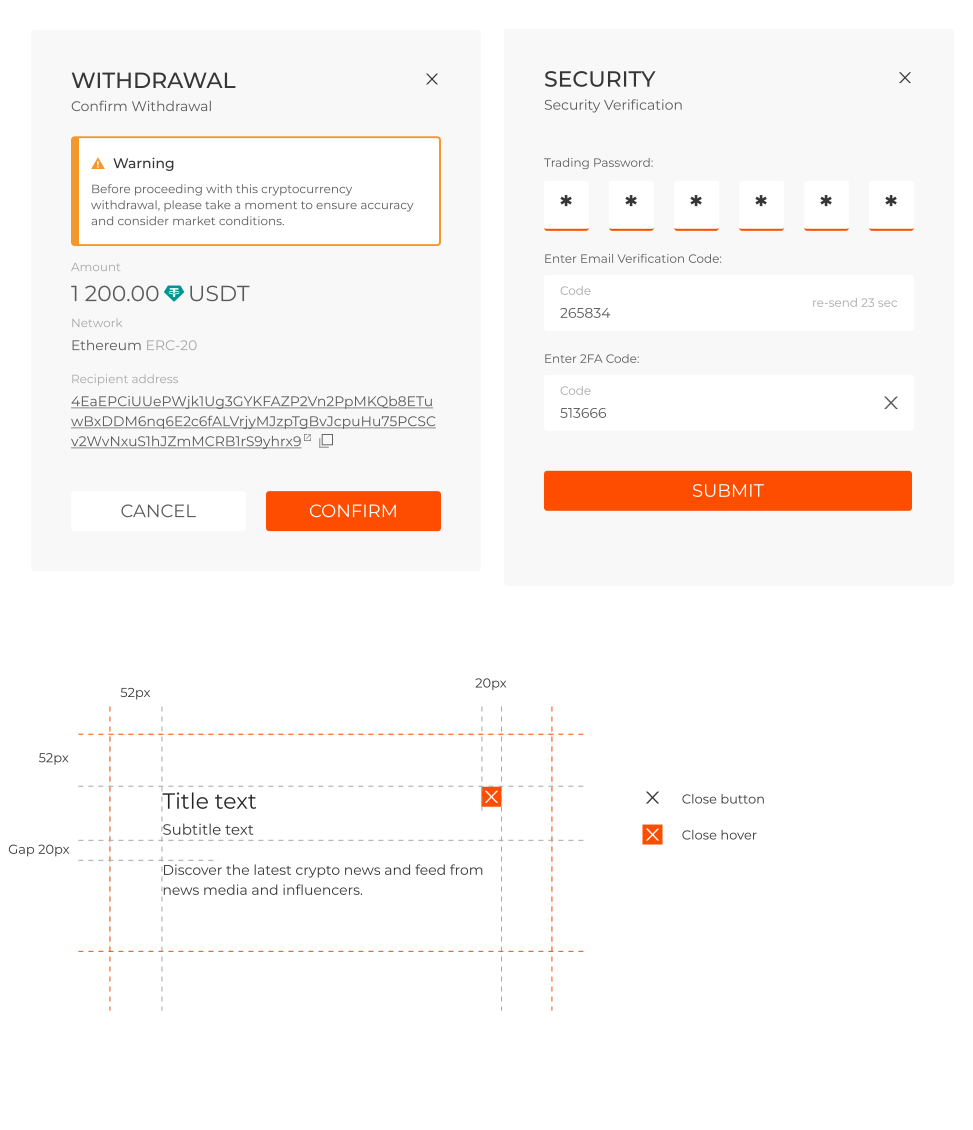
2Cryptographic security flows: Production-ready patterns for multi-step authentication layouts that seamlessly combine trading password inputs, email verification codes, and 2FA components into a single, highly secure interface.
-
2Token-to-code alignment: Direct integration of semantic design tokens (such as DARK #252525 and ACCENT #FF4D00) within final UI assemblies, allowing engineering teams to implement clean dark and light theme switching natively in code.
-
2Frictionless developer handoff: Rigorous specification of absolute margins, padding rules, and responsive layout behaviors, minimizing front-end engineering friction and drastically reducing post-deployment interface bugs.