( Loading, please wait.. )

513.ooo ©2026

( Loading, please wait.. )

513.ooo ©2026

Glo BrandBook

Branding

A professional case study documenting the design framework, visual architecture, and strict execution rules engineered to establish glo’s premium presence across global digital and social ecosystems.

Agency

/Year

2019

/Client

Glo

Tools Used

RoleArt-Director

StatusCompleted

Launch Date2019

LocationRussia

Glo BrandBook

RoleArt-Director

StatusCompleted

Launch Date2019

LocationRussia

Branding

Agency

/Year

2019

/Client

Glo

Tools Used

A professional case study documenting the design framework, visual architecture, and strict execution rules engineered to establish glo’s premium presence across global digital and social ecosystems.

glo Digital & SMM Style Guideline: Comprehensive Brand Identity Case Study

Translating Hardware Aesthetics into Fluid Digital Content
Defining the digital DNA of a next-generation brand by turning static identity rules into a scalable, high-conversion visual system across all online touchpoints.

glo Digital & SMM Style Guideline

This project delivers the official Digital/SMM Style Guideline Book for glo. It establishes foundational layout grids, photographic principles, content rules, and interactive standards engineered for social platforms, ensuring absolute brand consistency and a premium consumer experience.

Logo usage

Overview

Introductory slide outlining the core operational directions for the corporate logotype.

  • Composition
  • Color Architecture
  • Spatial Alignment

Logo usage

Proportions and clear space

Geometric specifications, scaling limits, and mandatory clear space rules for the logo on layouts.

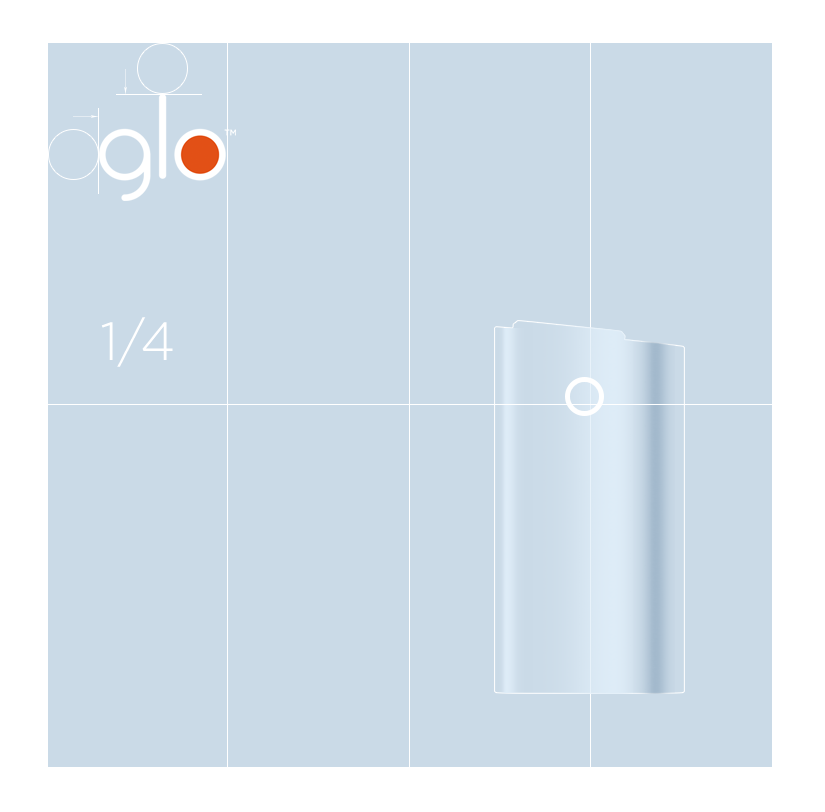
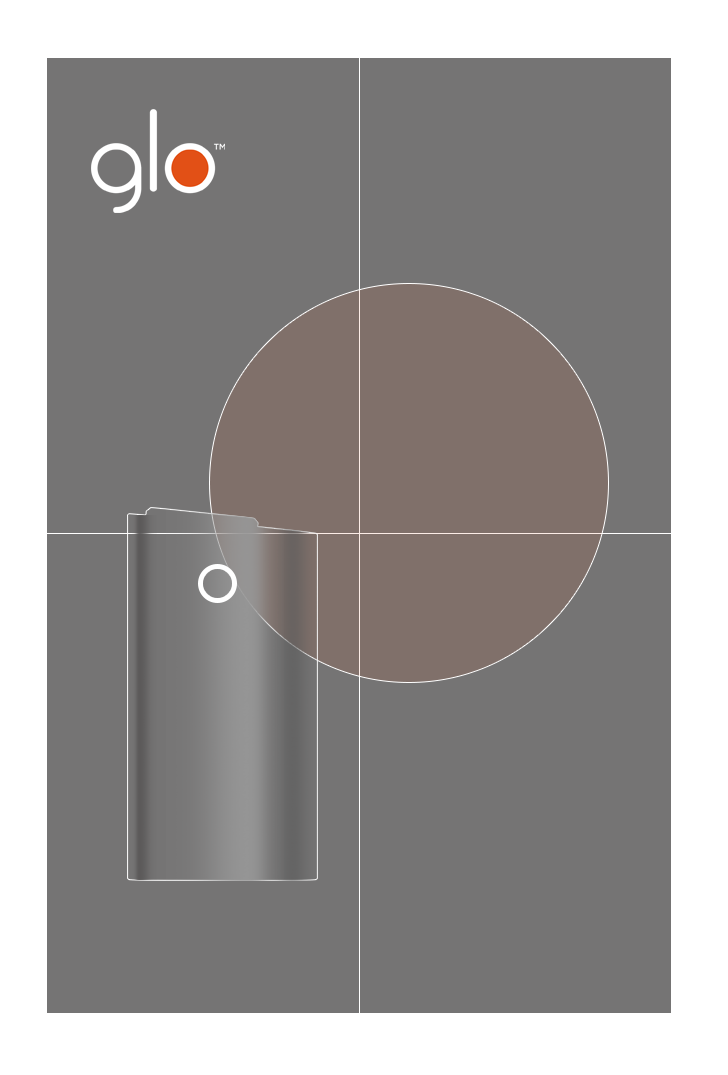
  • The logotype must scale proportionally to fit strictly within 1/4 of the layout's total horizontal width.
  • Clear space margins from the layout edges must exactly match the width of the letter "G" or "O" from the original glo logo blueprint.

Logo usage

Color execution

Guidelines for choosing the correct logo color variant to ensure optimal contrast index.

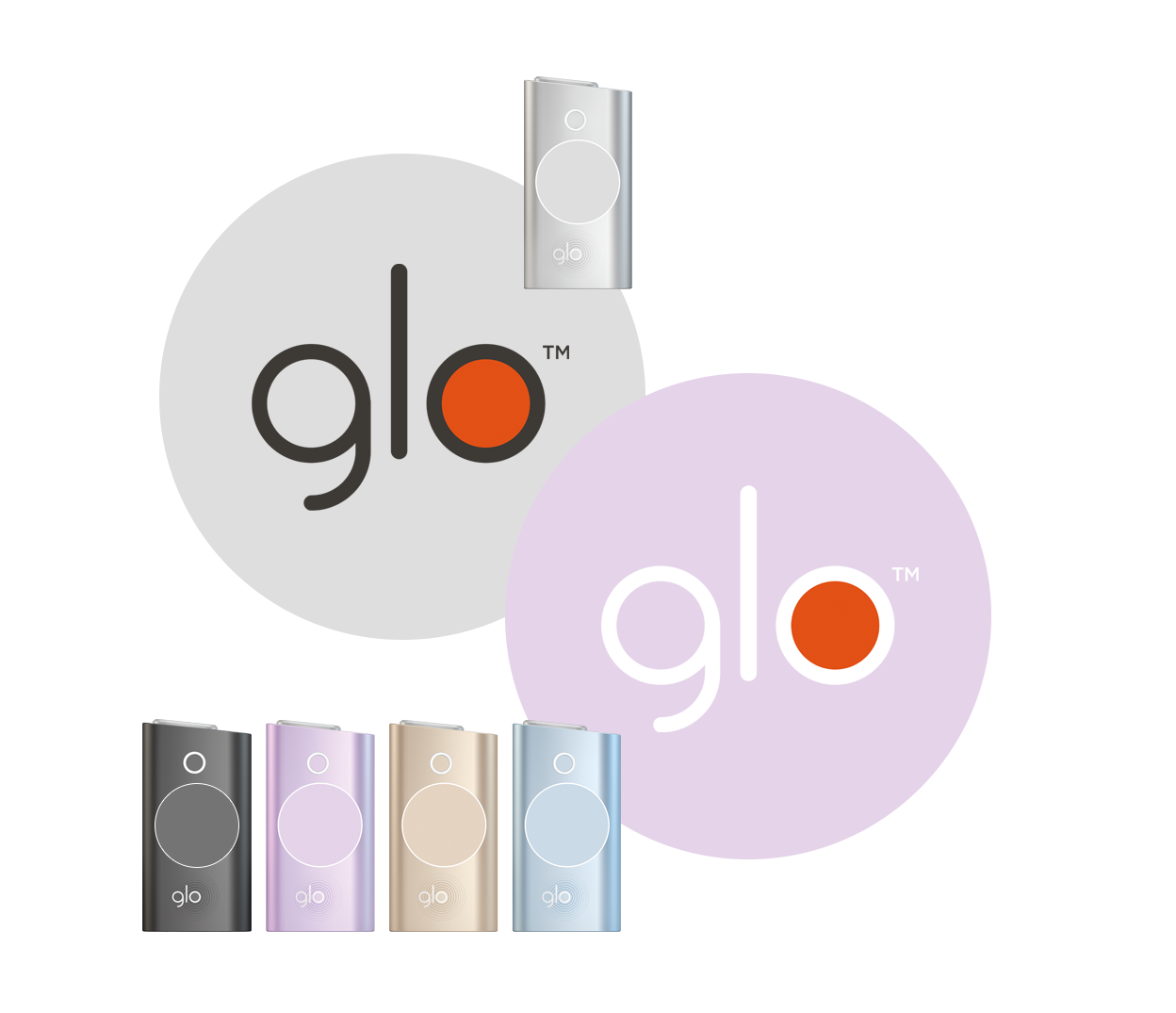
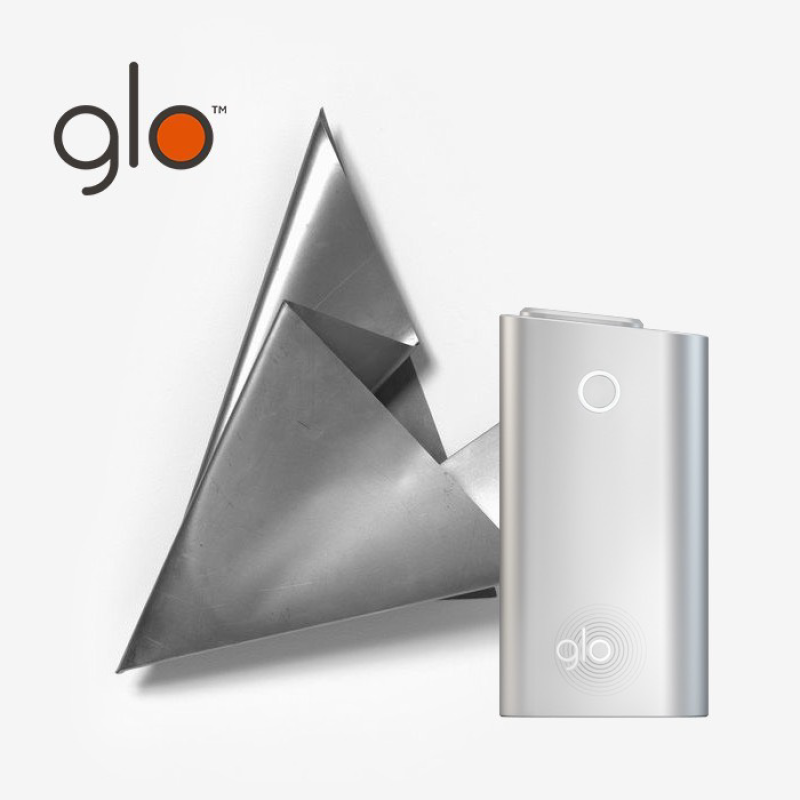
  • The selection between the dark and white logo variants is determined strictly by the tonal value and contrast of the background canvas.

Logo usage

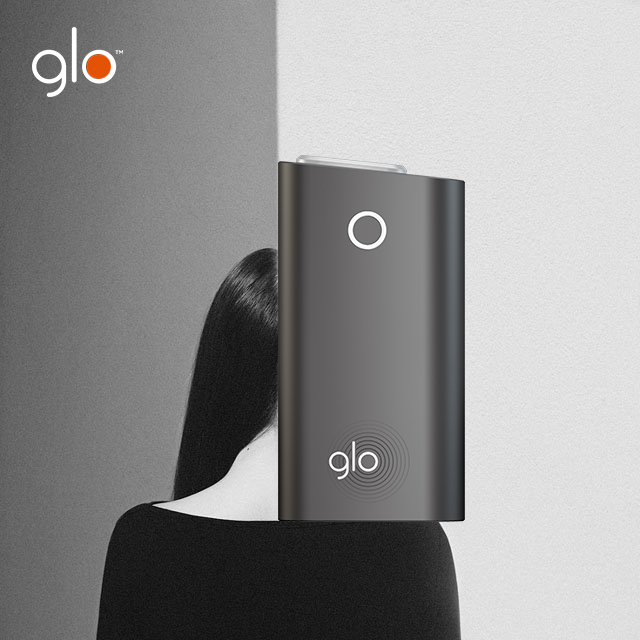
Logo usage - Placement and grid

Spatial positioning rules for the logotype using the compositional layout framework. Characteristics:

  • The logo may be anchored on either the left or right side of the canvas depending on the overall compositional weight.
  • The Rule of Thirds grid serves as the primary structural framework for achieving balanced asymmetrical design.
  • Key visual components must be distributed along the grid lines to maintain mutual compositional equilibrium.
  • High-priority messaging and focal points must align directly with the grid's axis intersection points.

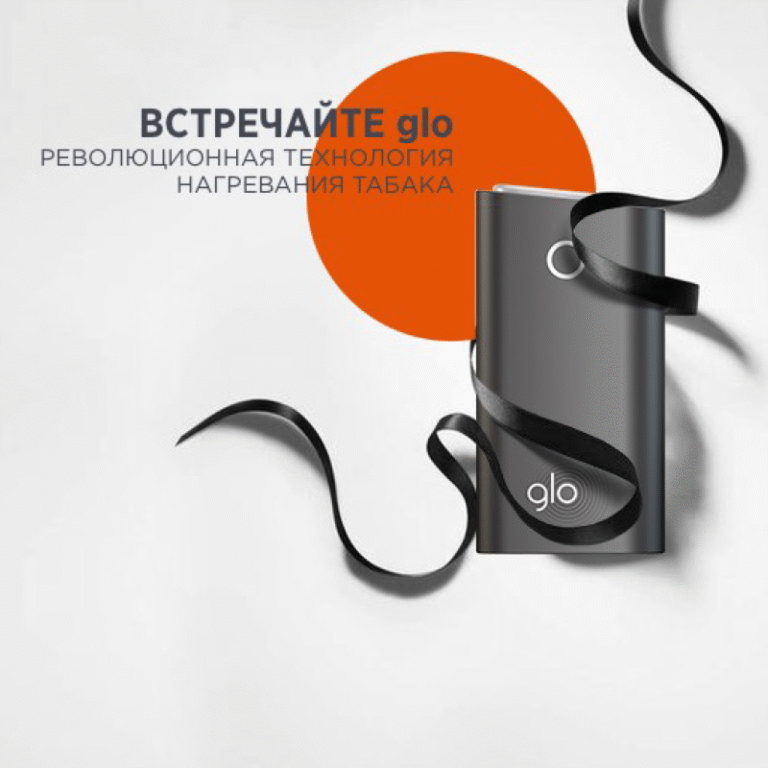
Circle usage

Overview

Introductory slide defining the integration rules for the brand’s core graphic element—the signature circle. Characteristics:

  • Circle Framing & Composition
  • Color & Gradient Execution
  • Typography Placement
  • Device-Free Branding

Circle usage

Composition and visibility

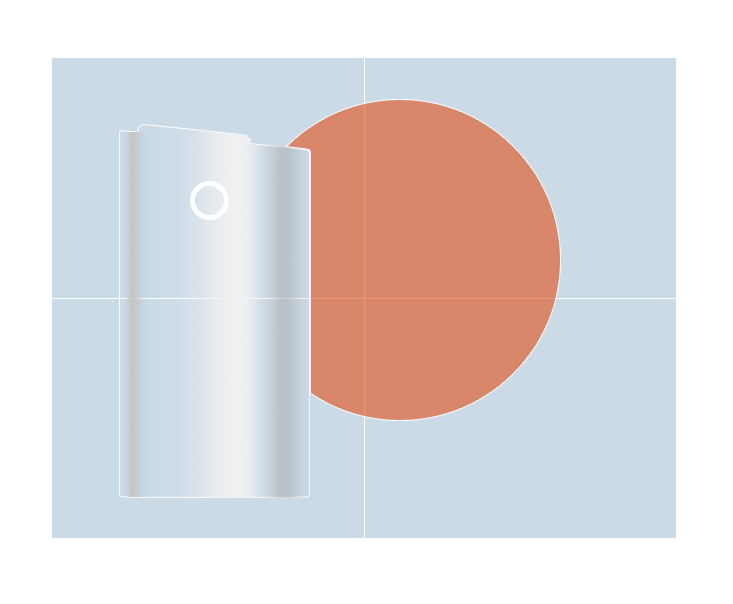
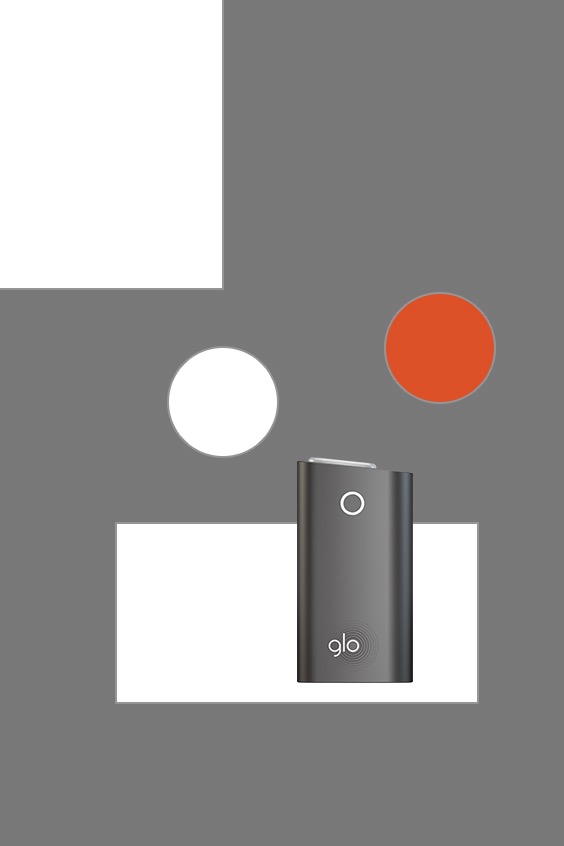
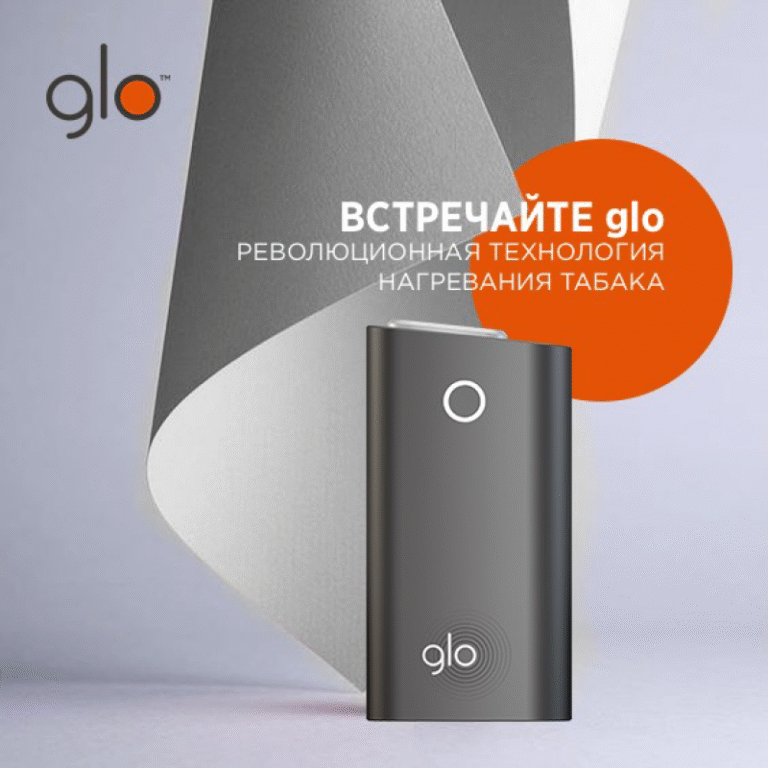
Spatial interaction parameters between the circle and the device, including strict framing limitations. Characteristics:

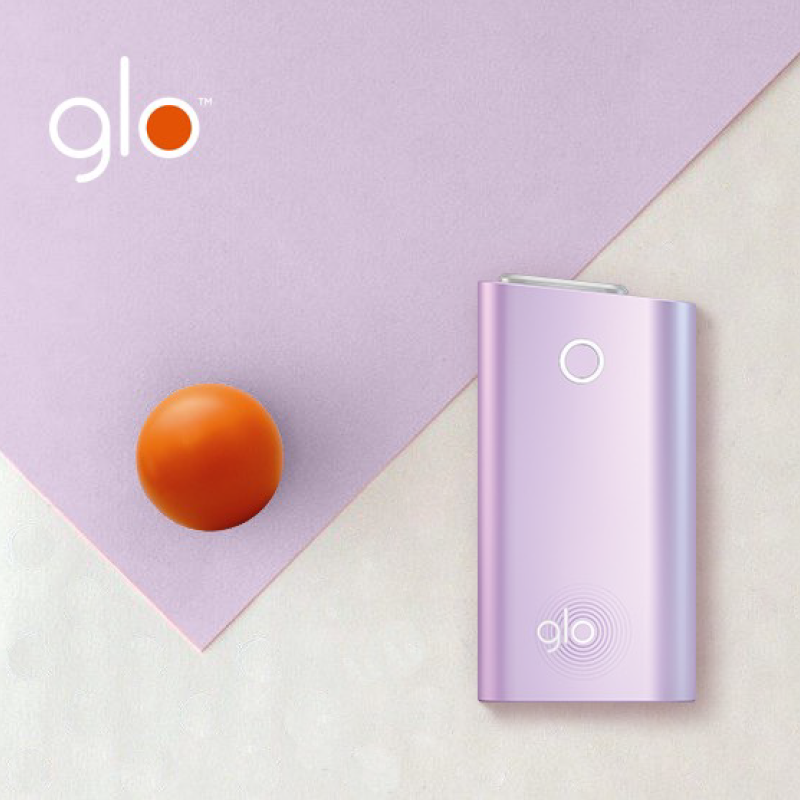
  • The brand circle must seamlessly interact with the device while maintaining absolute structural balance within the layout.
  • The circle must preserve its geometric integrity and always read as a complete, recognizable shape.
  • A minimum of 70% of the circle's total surface area must remain fully visible within an open composition.
  • The circle must not extend beyond the canvas boundaries by more than 30% of its overall form.

Circle usage

Color and gradient styles

Stylistic distinctions between the volumetric gradient sphere and the flat graphic vector circle. Characteristics:

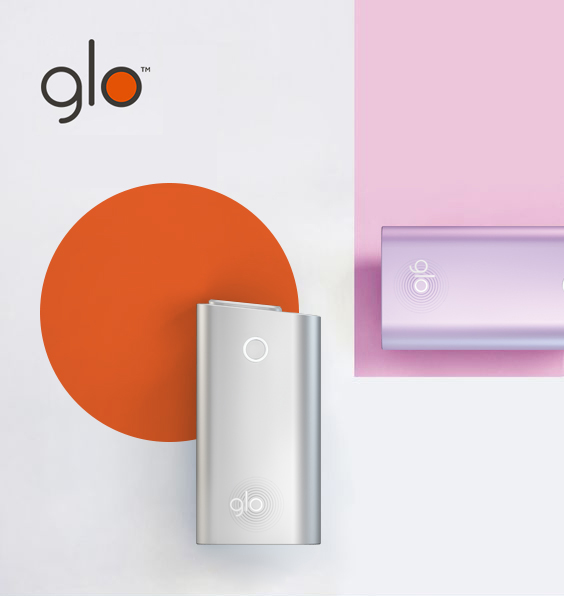
  • The gradient circle format is optimized for realistic photography and skeuomorphic layouts.
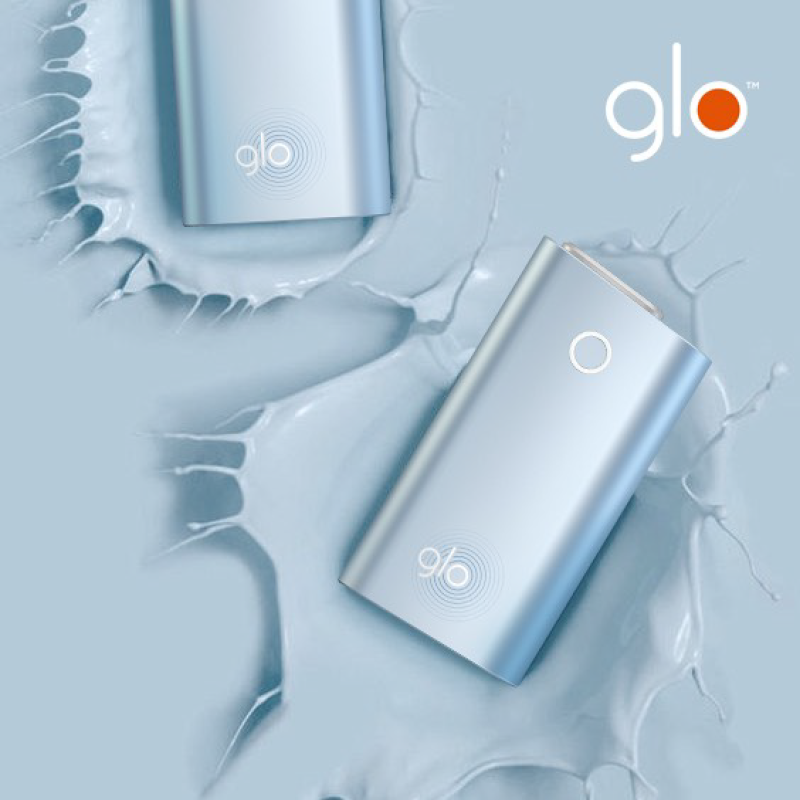
  • In realistic settings, the gradient circle simulates organic heating processes and generates natural light refractions.
  • Objects placed in close proximity must realistically absorb the circle's colored light refractions and reflections.
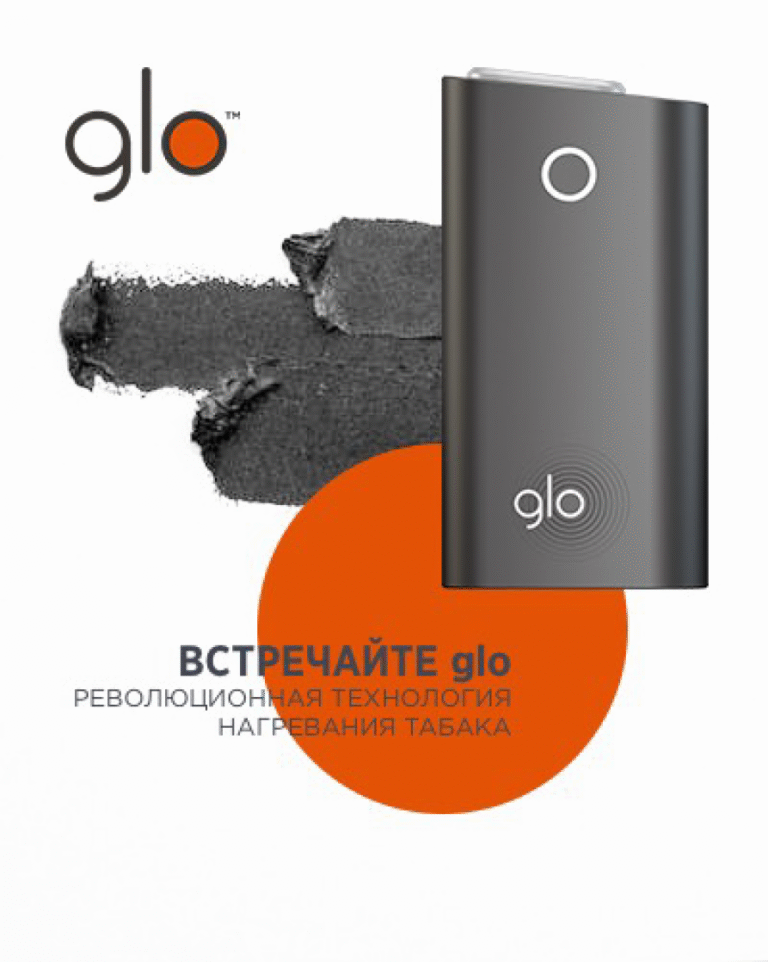
  • The flat circle variant is strictly reserved for 2D minimalist graphic designs to maintain stylistic uniformity.

Circle usage

Typography integration

Formatting rules for text blocks regarding alignment, positioning, and color values relative to the circle. Characteristics:

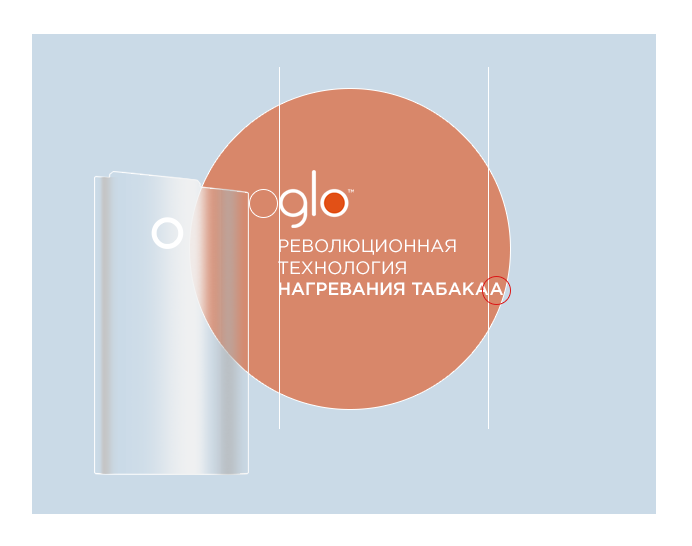
  • Left- or right-aligned text blocks are permitted only when dictated by the layout's spatial structure and balance.
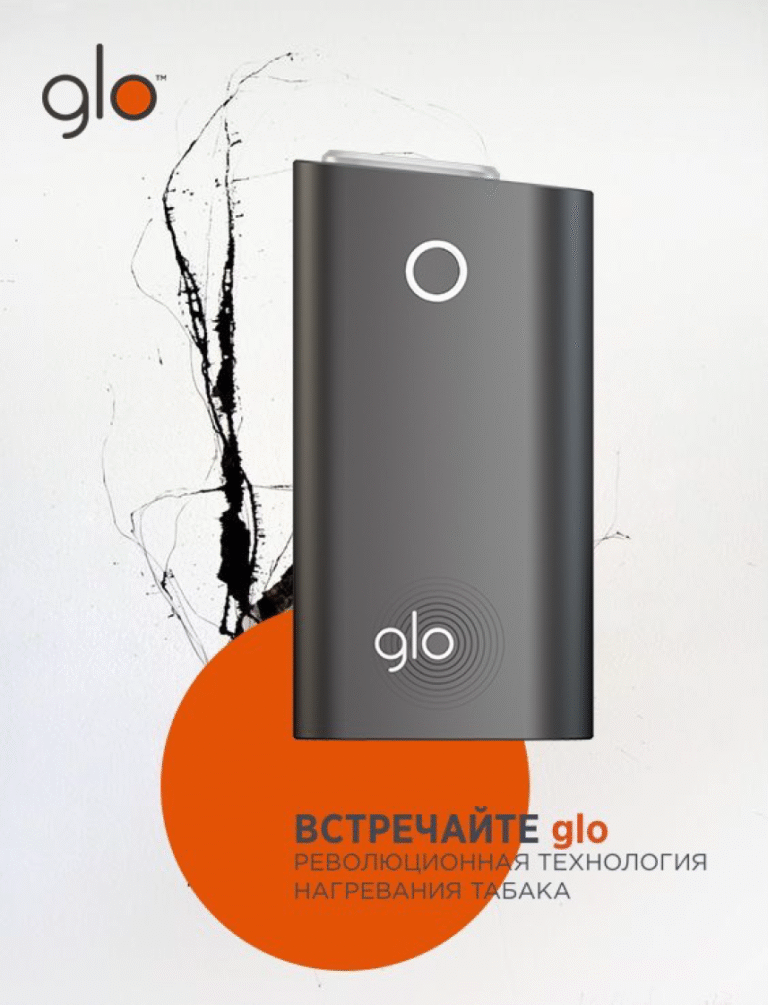
  • Informational copy is allowed to freely extend past the visual boundaries of the circle.
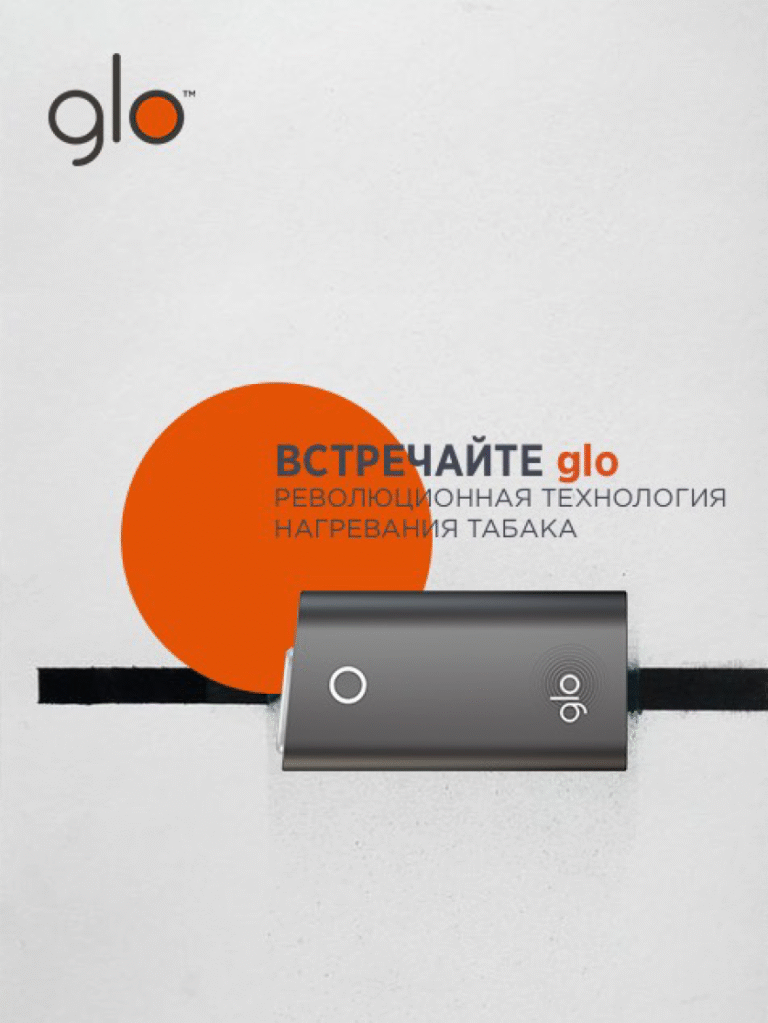
  • Text fully encapsulated within the circle must maintain sufficient padding to prevent visual collision with the outer edge.
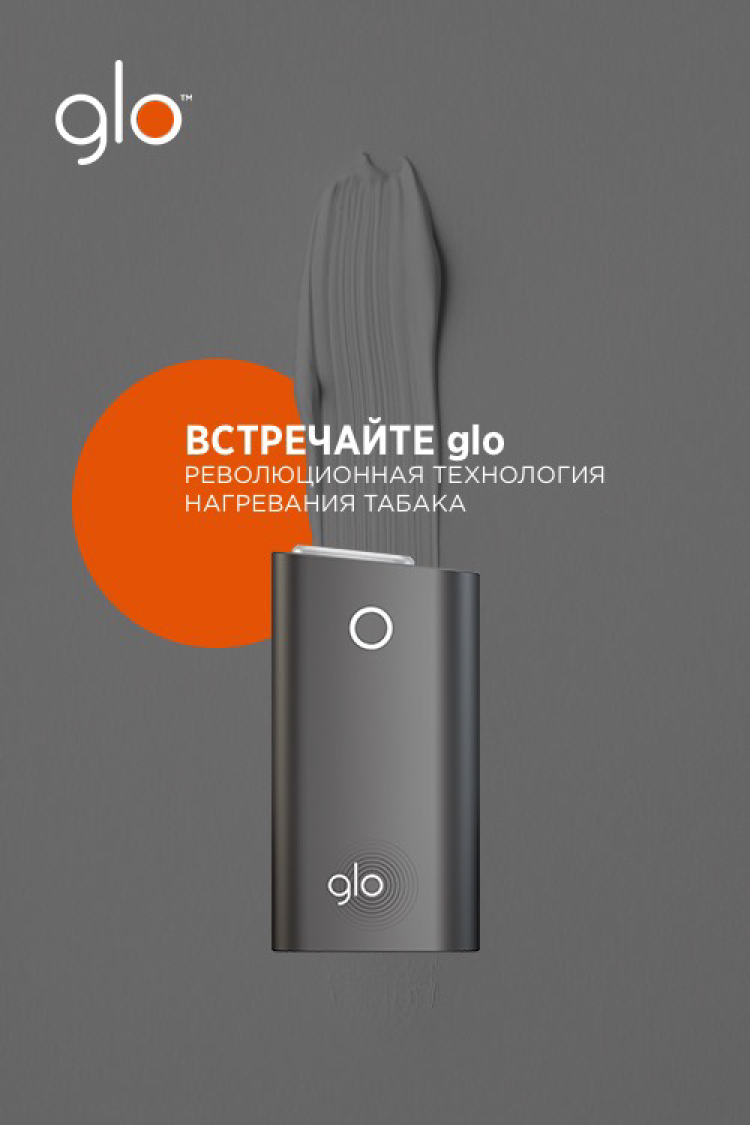
  • Typography color defaults strictly to dark (#424652) or light (#FFFFFF) based on the background luminosity.

Circle usage

Device-free branding

Strategic application of pure circular geometry without direct hardware models in the frame. Characteristics:

  • Device-free layouts are approved exclusively for teaser campaigns, high-profile events, and conceptual brand imagery.

Composition

Overview

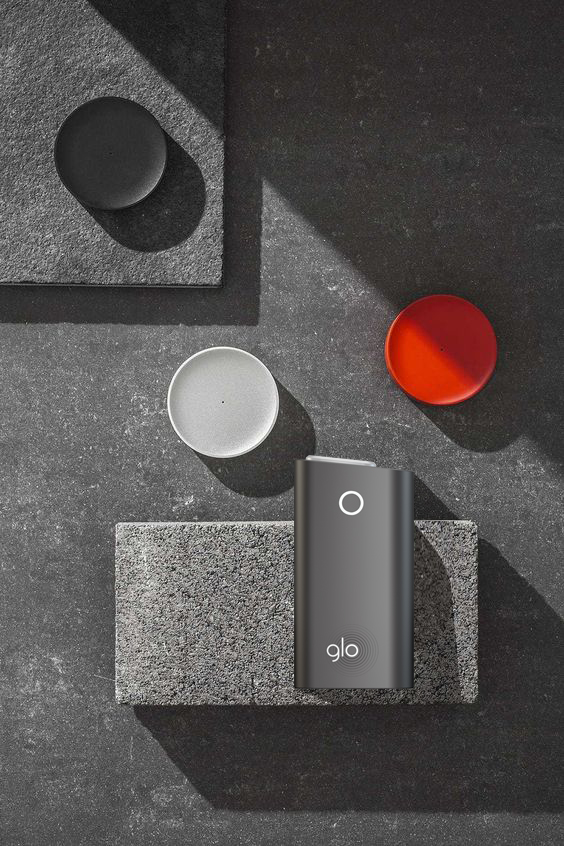
Foundational structural rules for crafting clean, balanced, and premium advertising layouts. Characteristics:

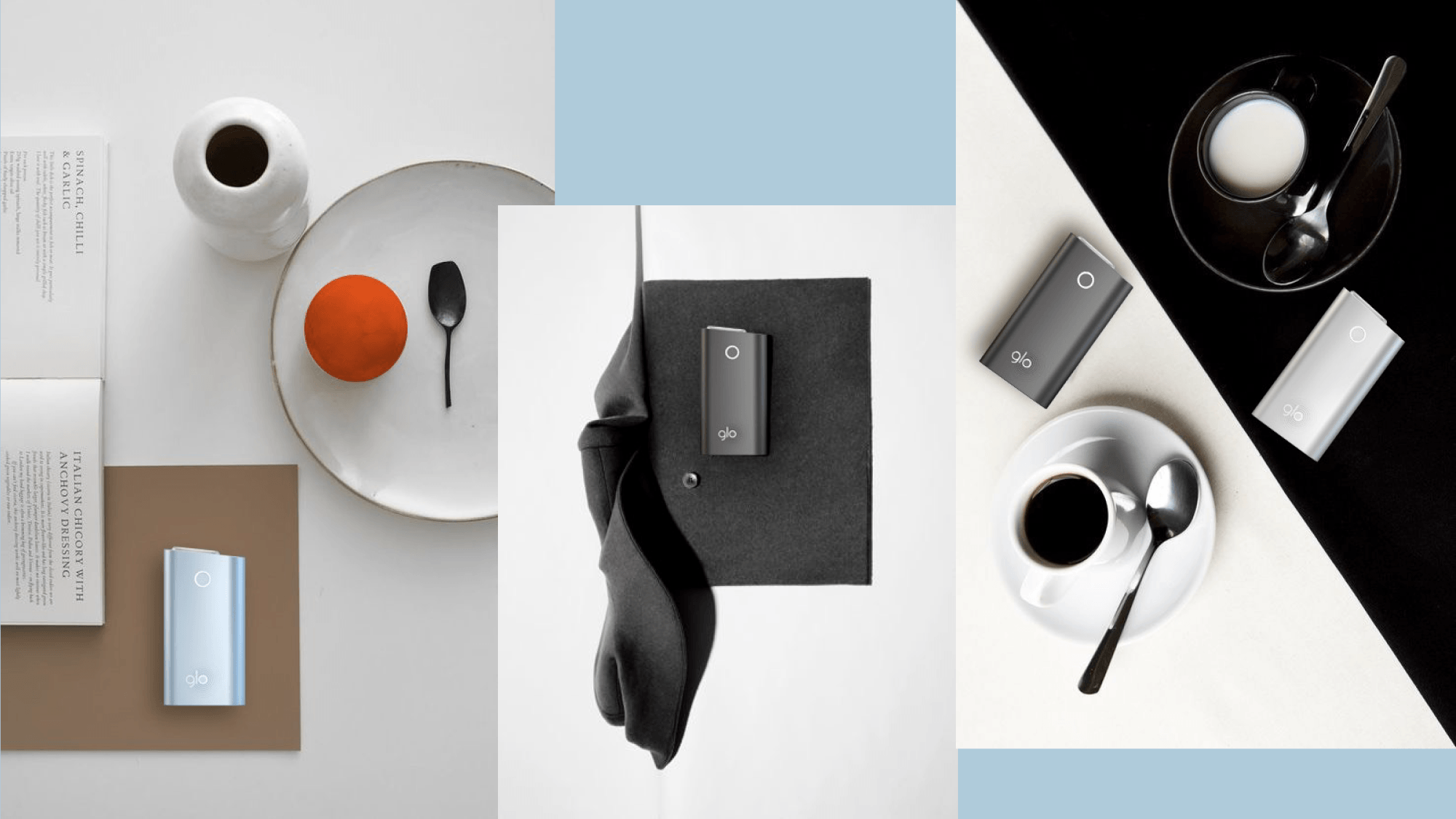
  • Compositions must remain airy, elegant, and completely uncluttered by secondary elements.
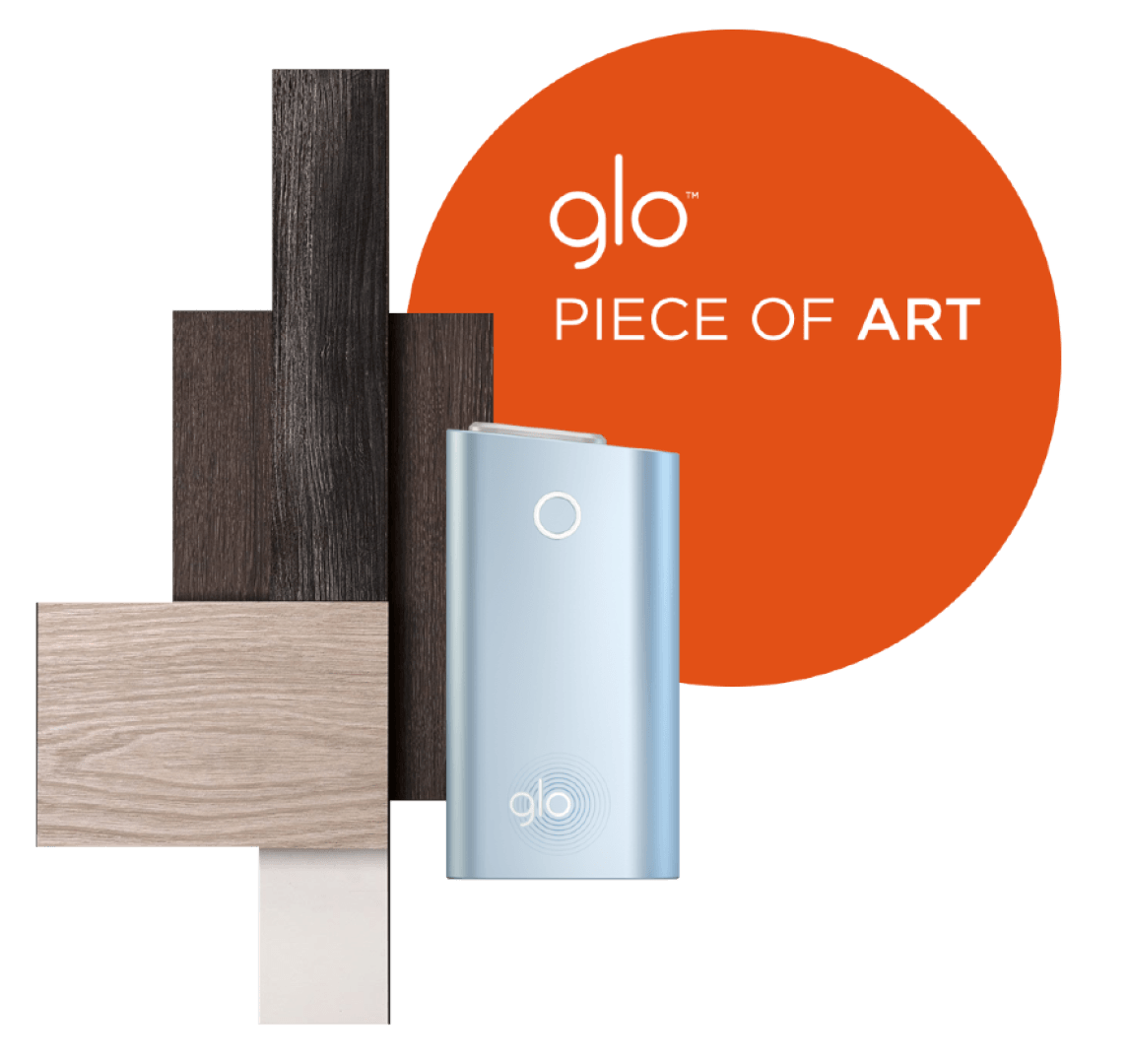
  • The primary hardware device must invariably maintain absolute visual dominance in the frame.
  • Layout architectures can utilize either open-ended or closed structural frame dynamics.
  • Design elements must be distributed across surfaces with artistic intentionality, carrying a clear vector and character.
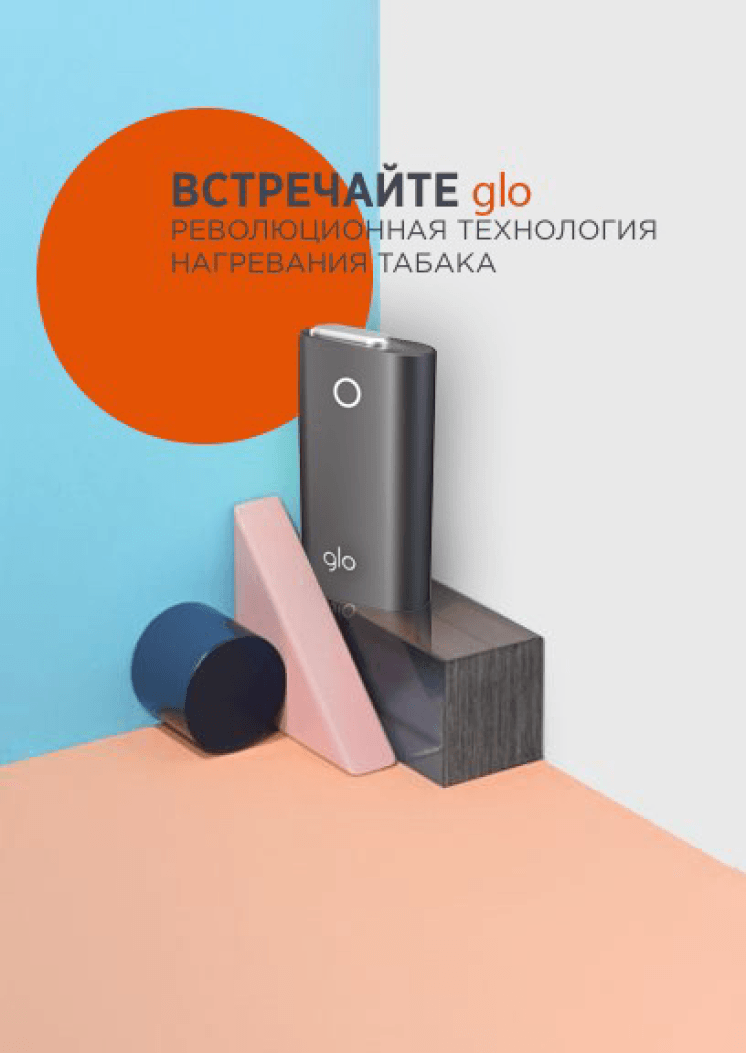
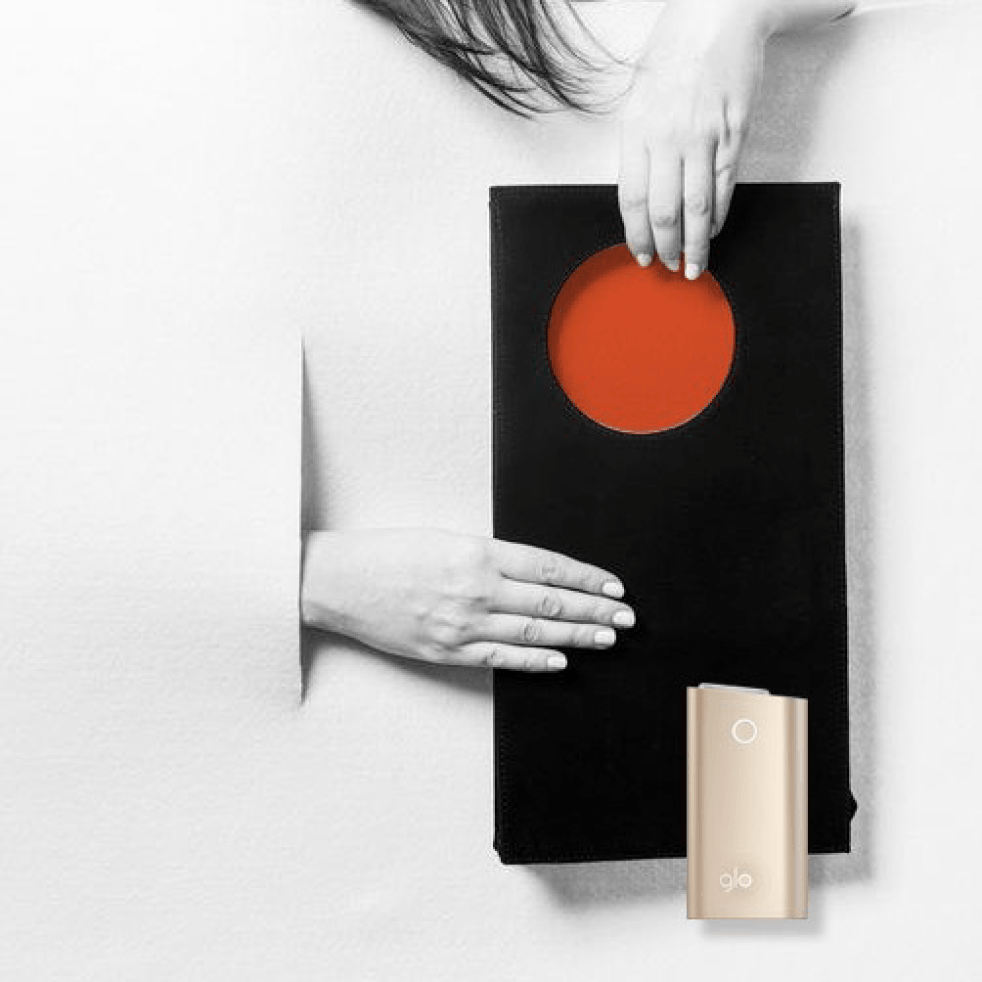
  • Integrating the signature orange circular element is highly encouraged to establish a decisive brand color anchor.

Photography

Overview

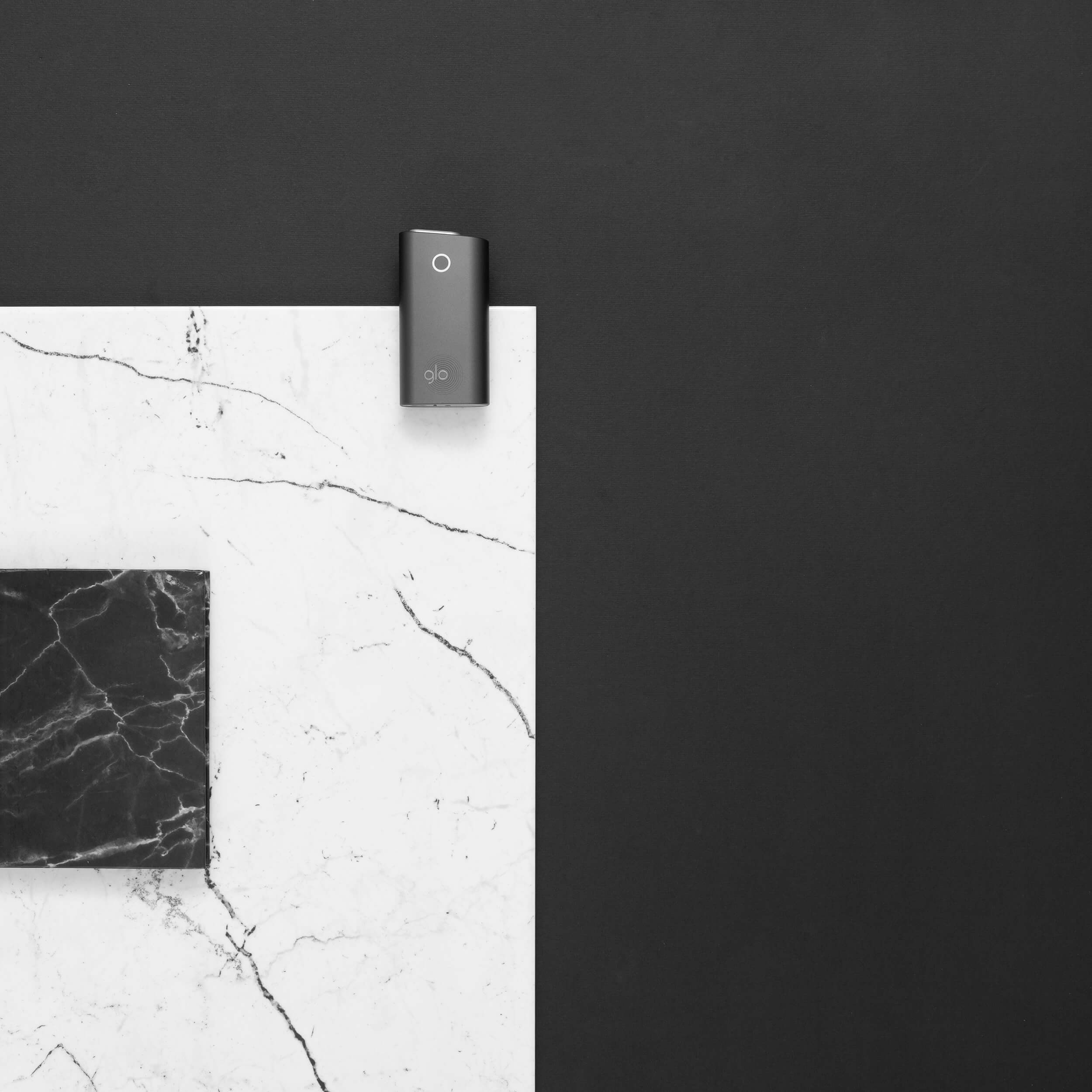
Introduction to the product photography section, defining camera angles and frame construction. Characteristics:

  • Camera Perspective
  • Compositional Framework

( Project Scope )

Digital Framework & 3D Asset Creation
To transition static hardware design into dynamic marketing collateral, a robust 3D production pipeline was developed. This enabled hyper-realistic asset synthesis for programmatic networks and premium digital ad spaces.

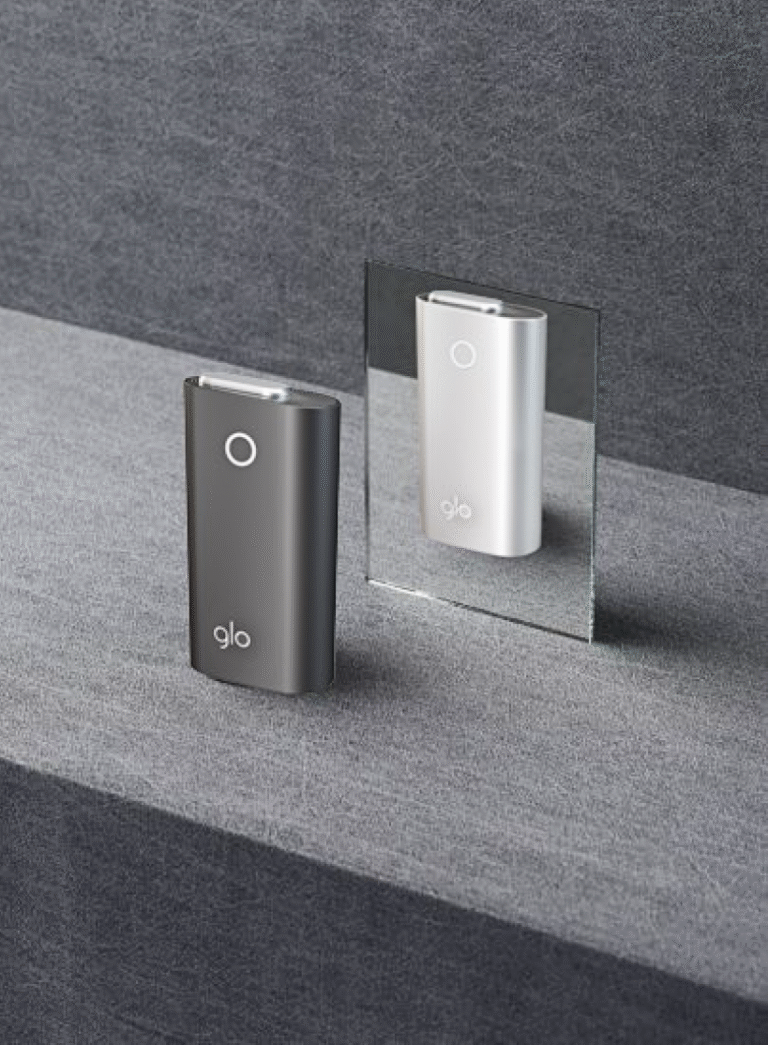
  • High-Fidelity Hardware Prototyping: Created mathematically accurate 3D models of the glo device, mapping premium anodized textures, matte surfaces, and precise metallic reflectivity constants.
  • Skeuomorphic and Ambient Ray-Tracing: Configured professional light rigging to mimic the signature heating elements, generating accurate thermal refractions and colored light bounces onto neighboring objects.
  • Algorithmic Grid Adaptation: Engineered dynamic, modular digital layouts that automatically scale from ultra-wide programmatic desktop formats to vertical mobile banners without losing critical structural focal points.
  • Allowed Material Generation: Developed a procedural asset library featuring approved corporate textures including natural light wood, fine cotton, cold metal, and smooth matte backdrops.

( Challenges )

Comprehensive Brandbook Section Breakdown The following outlines the definitive execution rules and visual constraints mandated for each core asset module within the glo brand ecosystem: Logo Architecture & Placement Guidelines

  • 1
    Proportional Scaling Constraints: In any layout configuration, the brand logo must strictly fit within exactly 1/4 of the total layout width to preserve optimal breathing room and brand authority.
  • 2
    Letter-Based Margin Calibration: Layout margins and safe-zone padding must precisely equal the exact horizontal width of the letter 'g' or 'o' derived directly from the master logo asset.
  • 3
    Contrast-Driven Tonal Inversion: The logo must switch between pure white and its signature dark color tone based entirely on the brightness matrix of the chosen background image.
  • 4
    Compositional Asymmetry: The logo position can shift between the left or right margins depending on the overall weight distribution, utilizing a strict rule-of-thirds grid alignment.

RELATED WORKS

View more case studies that showcase my expertise in building high-impact integrated campaigns.